Problem
A corporate event that feels generic isn't just a missed party; it's a missed chance to make employees feel like they actually matter.
Festive events at the office carry more weight than they appear to. They're often the one moment in the year when leadership visibly invests in making employees feel celebrated. Get it right, and people carry that feeling for months. Get it wrong with limp décor, mismatched printables, a theme that never quite coheres, and the silence says everything about how much thought went into it.
The 5 Ws shaped everything:
Who: Employees who didn't choose to be there and would notice instantly if it felt lazy or last-minute
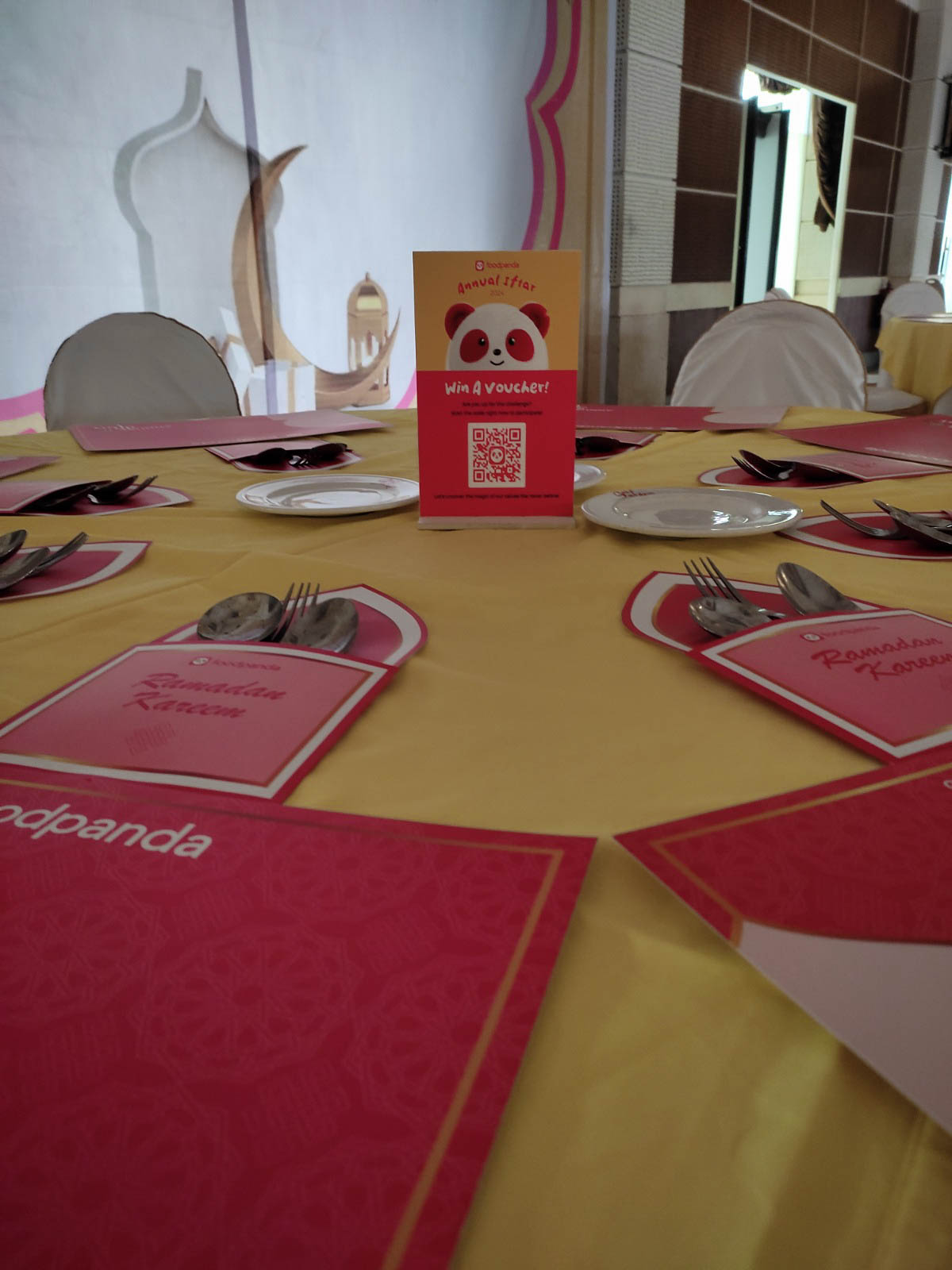
What: Festival and celebration events needing full environmental design wtih décor, signage, printables, props and in a limited physical space
Where: Office venues not built for events, requiring the design to do spatial work the room couldn't
When: On compressed timelines where vendor coordination, budget approvals, and design production had to happen simultaneously
Why: Because culture is built in moments and these were some of the most visible ones on the calendar
The operational stakes were concrete: a typo on a printed banner can't be fixed on the day. A vendor who delivers the wrong finish on a backdrop requires a site visit and an emergency reprint. Every detail had a cost, and the margin for error was effectively zero.
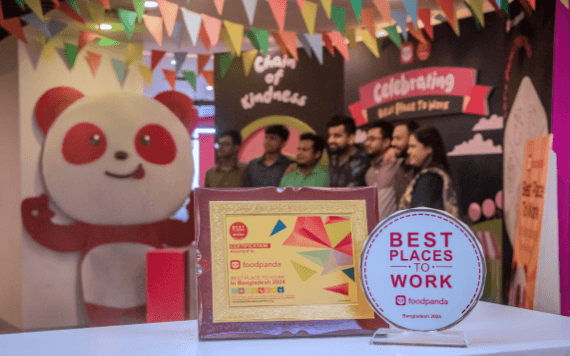
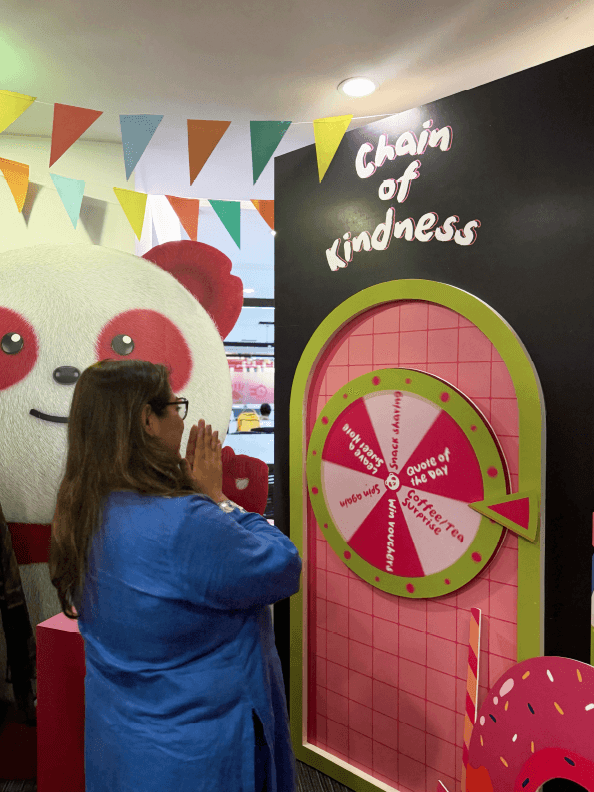
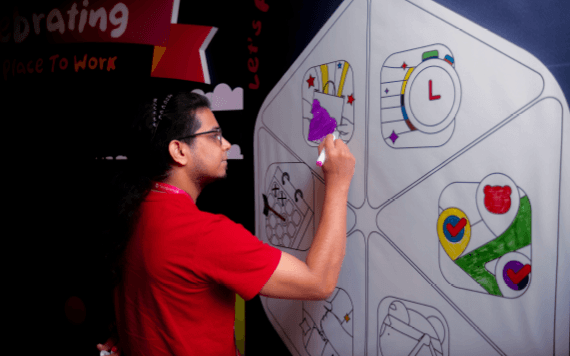

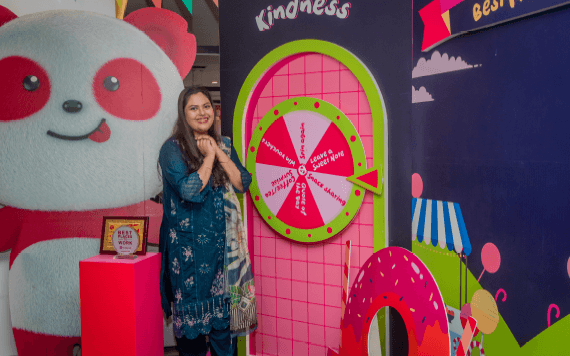
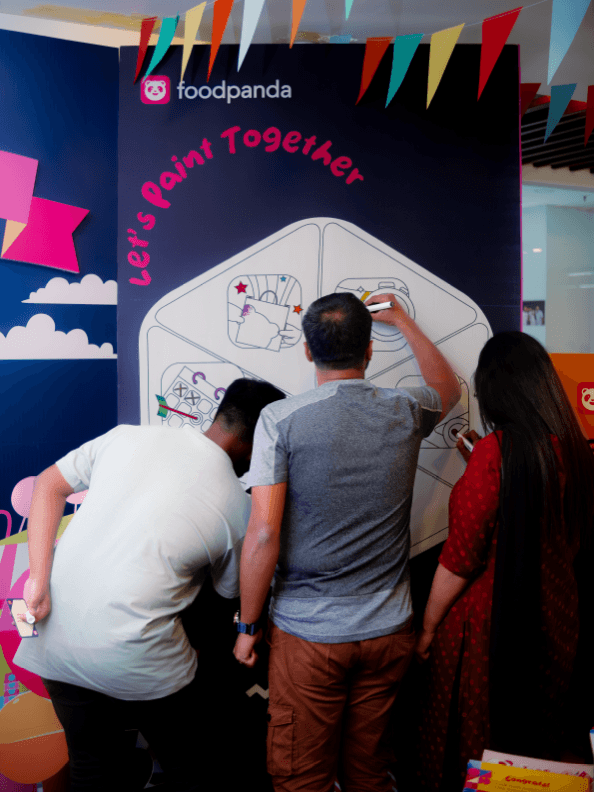

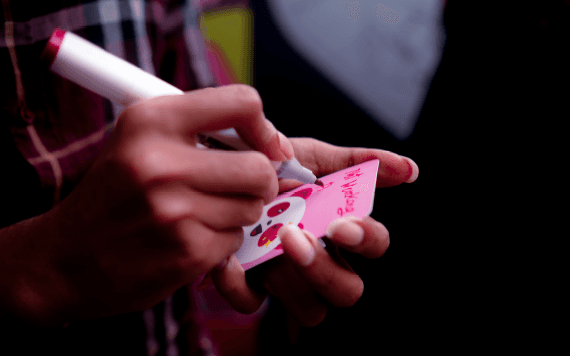
Thinking
The first event in this series taught the hardest lesson early: trusting verbal confirmations with vendors is a design risk. A backdrop material was specified clearly in the brief. What arrived on installation day was different with a wrong finish, different color temperature under artificial light. The event was the next morning.
Successful failure
An early print run came back with a color shift significant enough to break the theme. What had looked warm and festive on screen read flat and grey in the venue lighting. The insight: never approve a print job without an on-site light check or a physical proof. Every subsequent event had a mandatory site visit built into the timeline, specifically to check materials under actual venue conditions before the day.
What the work demanded wasn't just design skill, it was a production mindset. Methods that shaped how every event was approached:
Pre-event briefing sessions: Running a structured brief with the internal team before any design started meant locking the theme, the tone, and the non-negotiables eliminated the most expensive kind of revision: the late-stage one
Vendor vetting by material type: Not all vendors handle fabric, foam board, and backlit print equally. Building a preferred supplier list by material type cut turnaround time and reduced quality surprises
Parallel production tracking: Running a shared checklist visible to all stakeholders meant design, procurement, and logistics weren't waiting on each other sequentially — they moved together
Strategic considerations
The core tension on every event: festive energy vs. professional context. Too corporate meant employees feel it's performative, a tick-box exercise. Too casual reads as unplanned and cheap. The design had to split this difference precisely. Enough visual delight to feel genuinely celebratory, enough coherence to signal that real effort went in. Color, scale, and material choice were all doing this balancing work simultaneously.
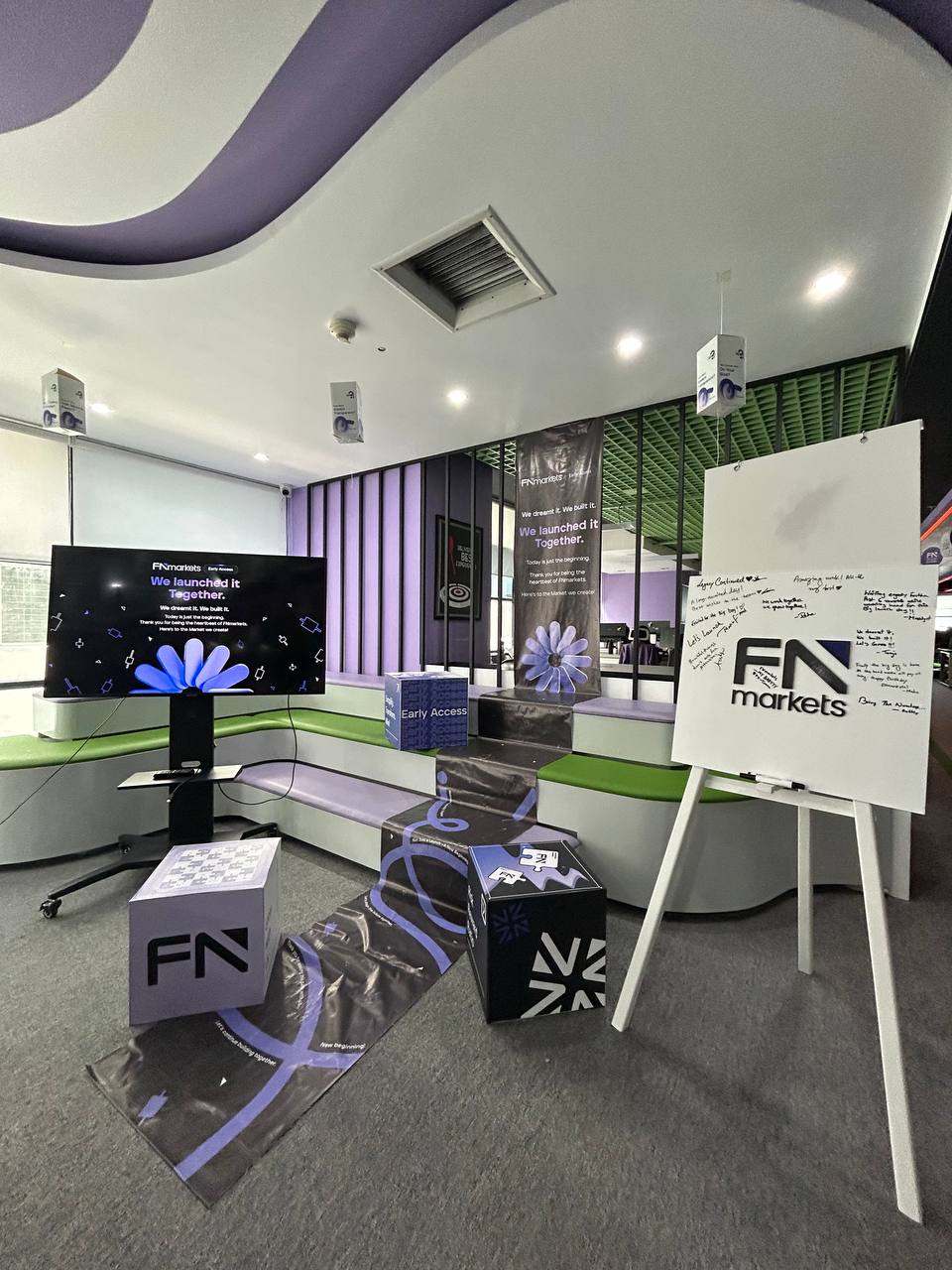

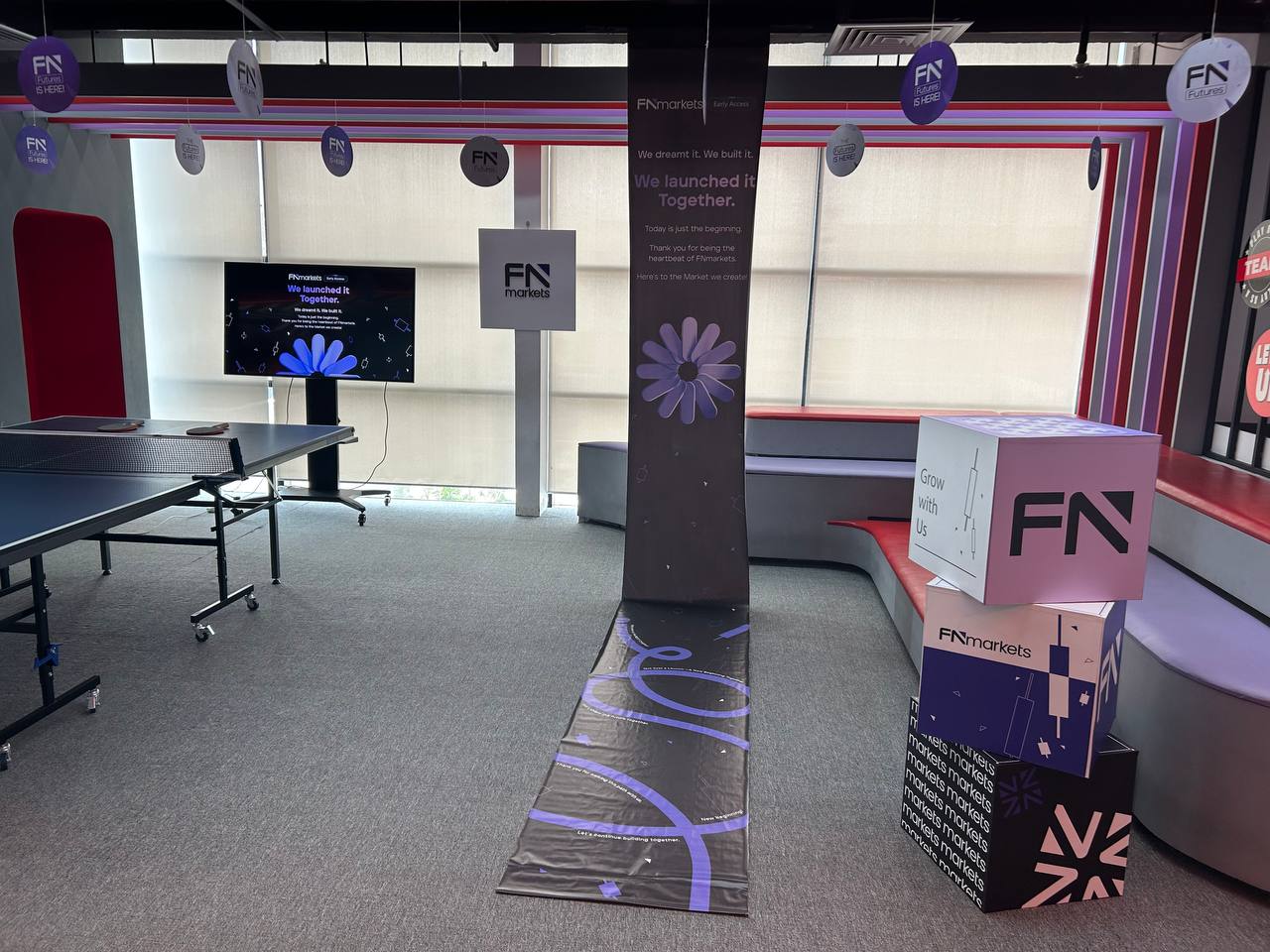


Solution
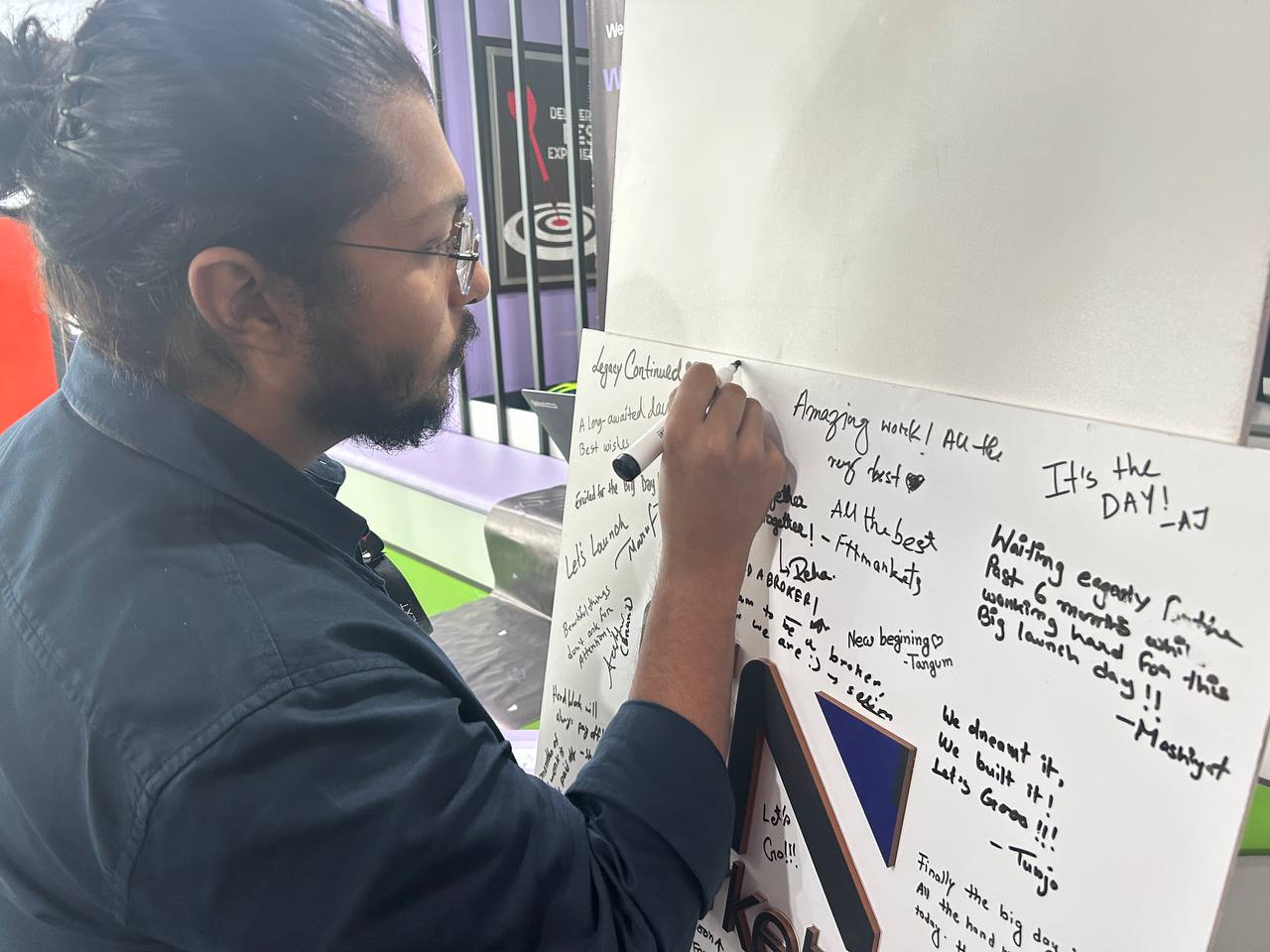
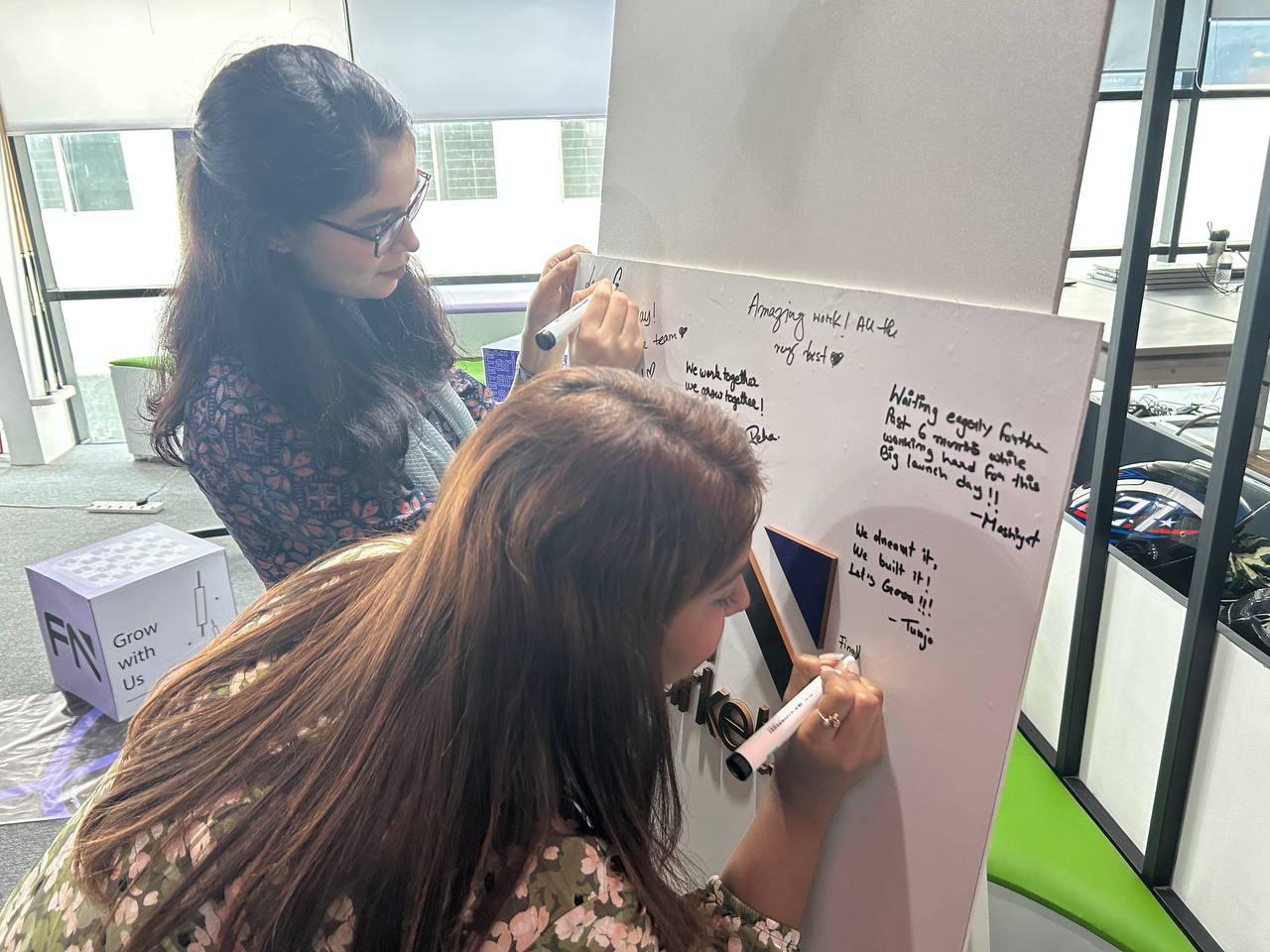
Across multiple events, a repeatable system emerged. Not a rigid template where each festival had its own visual language; but a production and design framework that made every event faster, tighter, and more confident than the last.
Topic | How it is covered |
|---|---|
Anchor | Hero backdrop or installation as the spatial centrepiece |
Theme lock | All materials sharing a single palette and type treatment |
Print kit | Standardised file formats, bleed specs & colour profiles |
Vendor brief | Written spec per material type, no verbal handoffs |
Site check | Physical visit before event day to verify materials in situ |
Day-of guide | Setup sequence and placement diagram for the install team |
At the macro level: every event had a hero piece that set the tone before anyone read a single word. Everything else was designed to support that anchor. At the micro level: print file standards were locked early, with bleed, resolution, and colour mode specified per vendor and per material. That single habit eliminated the most common source of reprint crises.
The system scales because it separates what changes (the theme, the festival, the palette) from what doesn't (the file standards, the vendor workflow, the site-check process). Each new event required creative reinvention in the right places and zero reinvention in the operational ones.
The measure that mattered most had nothing to do with a deliverable. It was the moment, after the phone calls, the vendor visits, the late proofing sessions; when the doors opened and people walked in, looked around, and smiled. That reaction is the only metric that actually counts. And it happened every time.